DCA When All Seems Lost: Discipline Over Emotion


Introduction

https://s3.tradingview.com/e/EInEKc5U_big.png
https://cmg-cmg-tv-10070-prod.cdn.arcpublishing.com/resizer/v2/QIXC43E5IA63RFPLO6SMVP2INI.jpg?auth=1b2b1dd1d50c77e142f654fc74f1db197edfdc96e35ce284bf0b736b6a7ef99f&height=4832&smart=true&width=8591
https://substackcdn.com/image/fetch/%24s_%21lc9H%21%2Cw_1200%2Ch_675%2Cc_fill%2Cf_jpg%2Cq_auto%3Agood%2Cfl_progressive%3Asteep%2Cg_auto/https%3A%2F%2Fsubstack-post-media.s3.amazonaws.com%2Fpublic%2Fimages%2F79787cb4-0da8-4ac6-bc4a-6f04e8ea7fc0_3543x3543.png
https://images.ctfassets.net/4ua9vnmkuhzj/13Cqo8vS0aWW81ZSzN3nmD/c3ac690d43e08a351131d46bb190a7d5/Crypto_Market_Cycle_Chart_v2.png

There will come a moment in your crypto journey where everything feels like it’s collapsing.

Prices drop fast.
Fear spreads faster.
And everywhere you look, people are telling you to get out.

This is the exact moment that defines whether you build wealth—or walk away from it.


The Reality of Market Fear

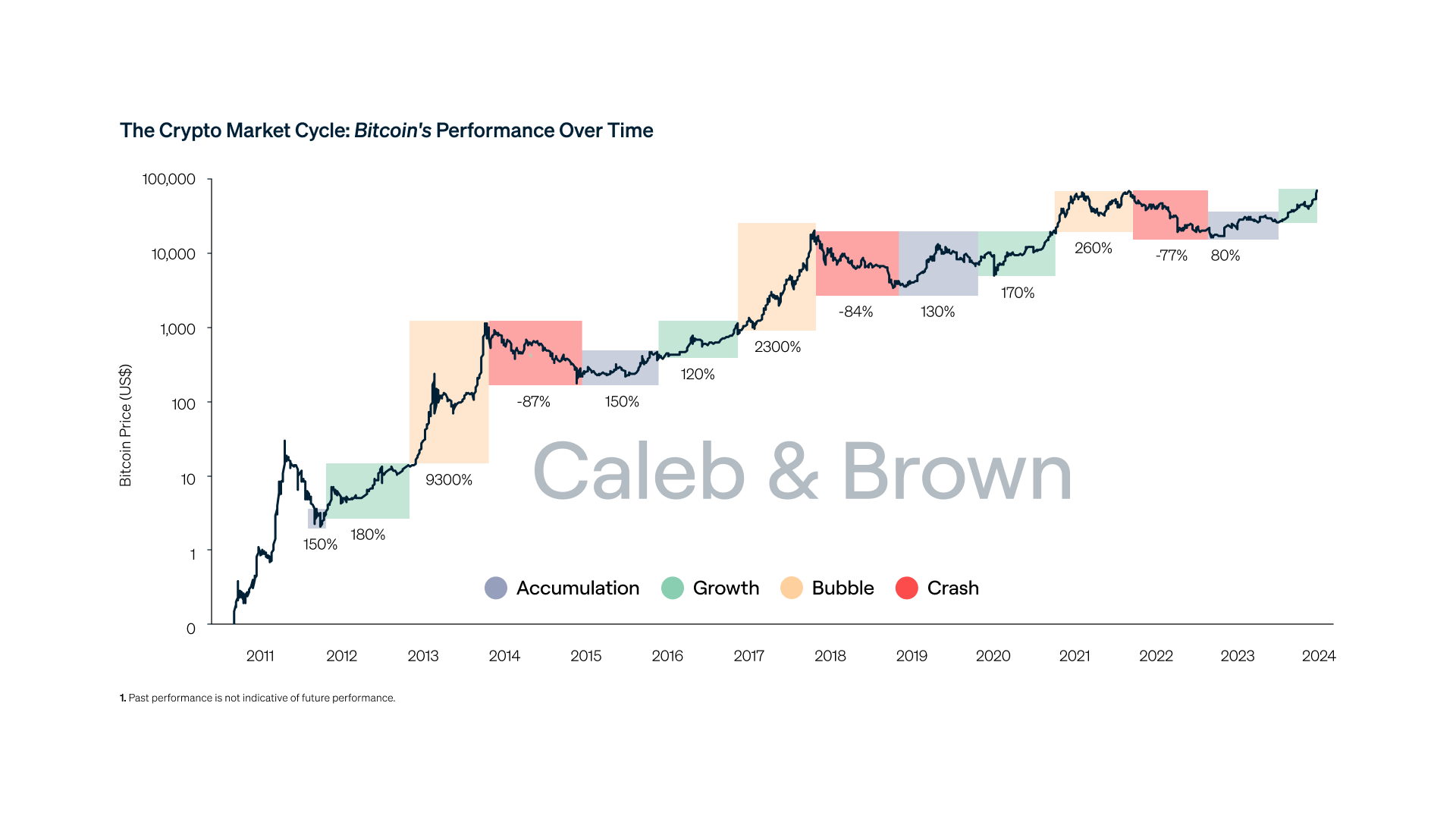
The market is not falling apart. It is doing what it has always done.

Cycles are not a flaw—they are the system.

What you are seeing is:

  • Fear-driven selling
  • Overleveraged positions getting wiped
  • Short-term thinkers exiting

This is not the end.

This is the reset.


FOMO and FUD Will Destroy You If You Let Them

Two forces control most people in this space:

  • FOMO (Fear of Missing Out) → Buying high because everyone else is
  • FUD (Fear, Uncertainty, Doubt) → Selling low because everyone else is

If your decisions are driven by either, you are not investing—you are reacting.

You must step outside the noise.


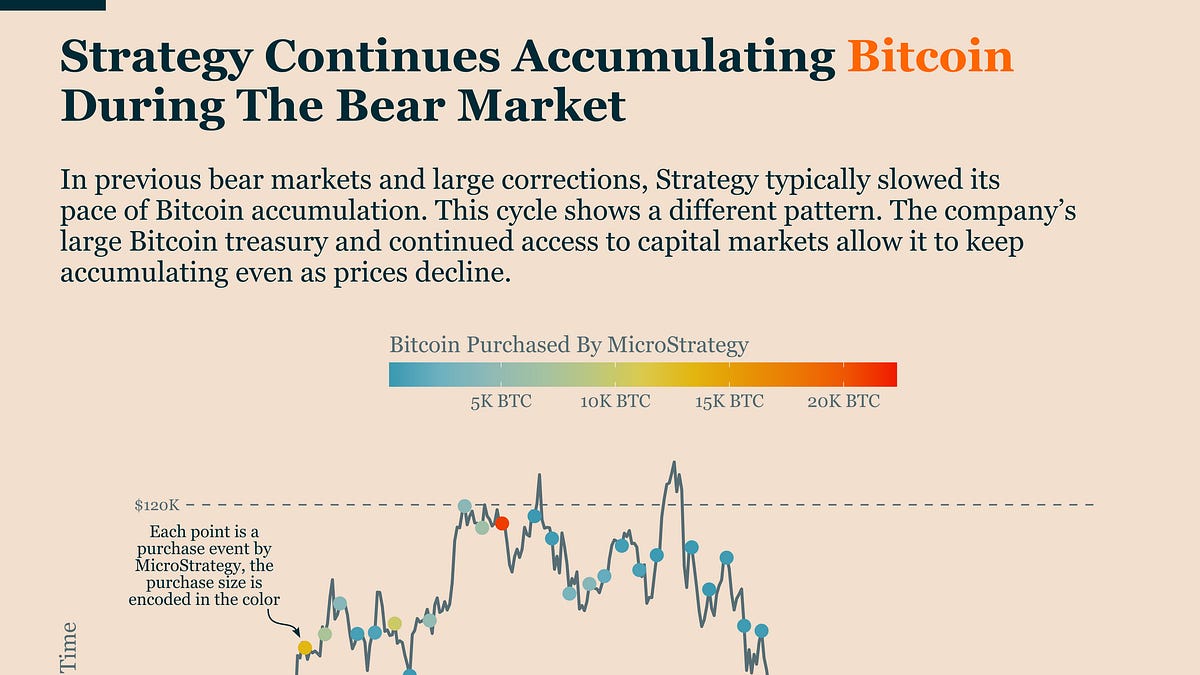
DCA: The Strategy That Removes Emotion

Dollar-Cost Averaging (DCA) is not complicated. That is why it works.

  • You buy at set intervals
  • You ignore short-term price swings
  • You accumulate over time

When the market drops, your buying power increases.

You are no longer chasing the market—you are building within it.


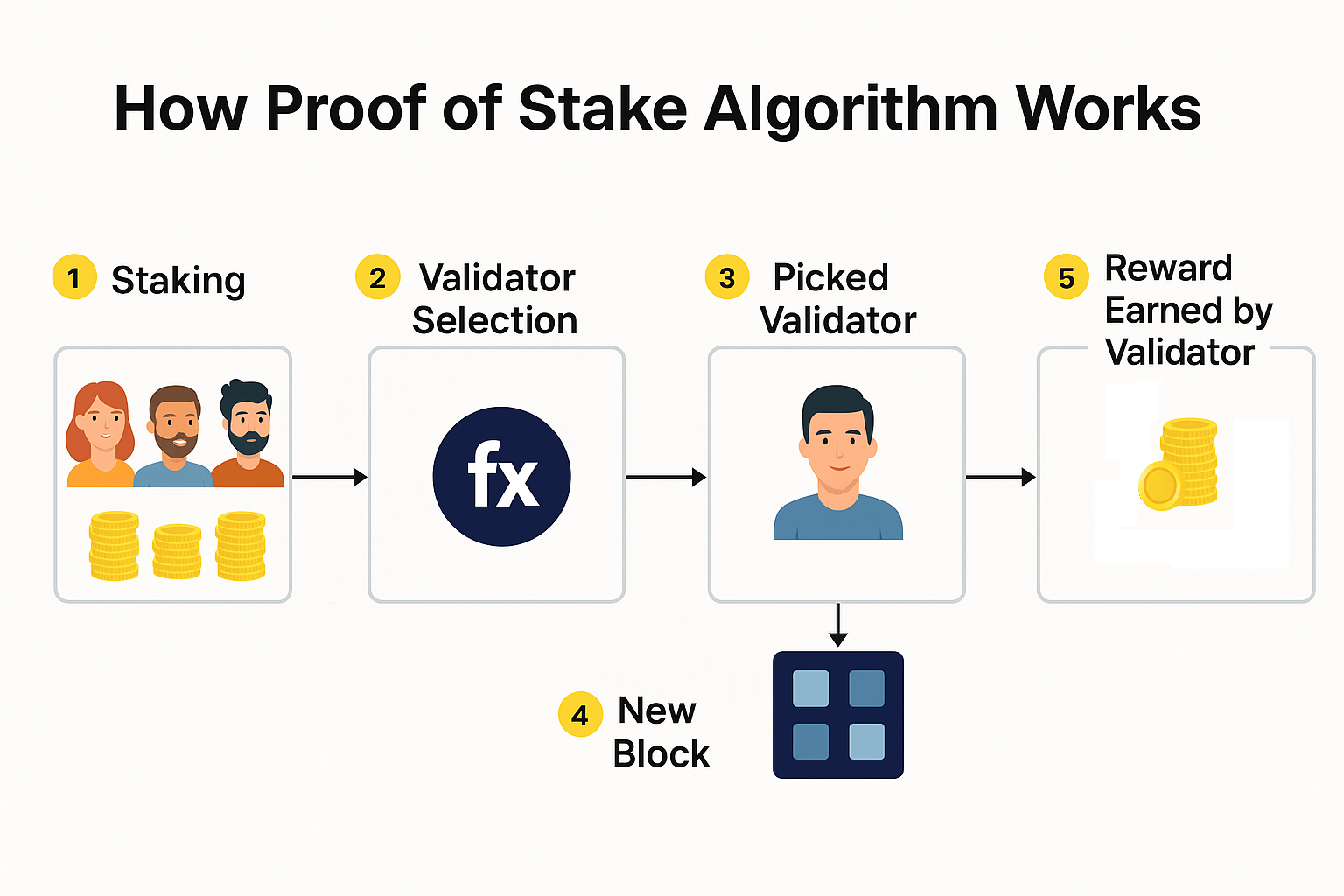
Stake While Others Panic
https://ucarecdn.com/e26899f0-e73b-4a54-a50d-7faf49f28499/
https://cdn.prod.website-files.com/66ec133a10652920718feea6/682c6c327af68aef1070ca3e_how-pos-works-in-crypto.png
https://imagedelivery.net/4-5JC1r3VHAXpnrwWHBHRQ/76c421b5-d625-4959-4e03-efb783e64200/public

If you believe in what you hold, then put it to work.

Staking allows you to:

  • Earn rewards while holding
  • Increase your position over time
  • Stay aligned with long-term growth

While others panic and exit, you are strengthening your foundation.


Control the Only Thing That Matters: Yourself

You cannot control the market.

You can control:

  • Your consistency
  • Your discipline
  • Your time horizon

That is enough.


What You Should Be Doing Right Now

  • Stick to your DCA schedule
  • Ignore emotional reactions to price
  • Continue accumulating strong assets
  • Stake where it makes sense
  • Secure your holdings properly

This is not about timing the bottom.

This is about building position.


Final Word

Most people lose because they let emotion dictate action.

You don’t need to be smarter than everyone else.

You need to be steadier.

When everything feels lost—
that is when discipline matters most.

The New Financial System Is Already Here (Most People Just Don’t See It Yet)

Let’s be honest for a second.

Most people aren’t thinking about money beyond:

  • paying bills
  • maybe saving a little
  • hoping things don’t get more expensive

But something bigger is happening underneath all of that—and it’s not speculation. It’s already in motion.

The financial system is changing.

Not overnight. Not all at once.
But steadily, and in ways that are starting to affect everyday life.


The Problem With the System We Use Today

The system most of us use wasn’t built for speed, transparency, or even full ownership.

It was built in a different time.

  • Money takes days to settle between banks
  • International transfers are slow and expensive
  • Inflation reduces purchasing power year after year
  • Access to your own money can be restricted or delayed

And here’s the uncomfortable truth:

You don’t actually hold your money.
A bank does. You have access to it—but not full control over it.

That model worked when there was no better option.
Now there is.


What’s Changing Right Now

We are moving into a system where money is:

  • Digital by default
  • Owned directly by the individual
  • Transferable instantly, anywhere in the world
  • Not dependent on a central authority to function

This is where cryptocurrency comes in—but not in the way most people think.

This isn’t about chasing coins or trying to “get rich quick.”

It’s about a shift in how value moves and who controls it.


Why Cryptocurrency Was Created

After the 2008 financial crisis, trust in the financial system took a hit.

Banks were failing. Governments stepped in.
Decisions were made behind closed doors that affected everyone.

In 2009, Bitcoin was introduced.

Not as a company. Not as a product.

But as a system.

A system where:

  • No single party controls the network
  • Transactions are transparent and verifiable
  • Supply is fixed and predictable
  • Ownership is held by the user—not a third party

Since then, thousands of other cryptocurrencies have been built, each trying to improve different parts of the system:

  • faster transactions
  • lower costs
  • smart contracts (automated agreements)
  • decentralized finance

Where We Are in the Timeline

This isn’t brand new anymore—but it’s still early in the bigger picture.

A simple way to look at it:

  • 2010–2020 → Early development and experimentation
  • 2020–2024 → Infrastructure build (exchanges, wallets, regulation)
  • 2025–2030 → Expansion and broader adoption

Right now, we’re in the transition phase.

You can still choose to ignore it—but it’s getting harder to avoid:

  • major companies are involved
  • governments are paying attention
  • financial tools are becoming easier to use

What This Means for You

This shift creates something that hasn’t really existed before at this level:

Direct ownership of digital assets.

That means:

  • You can hold your own funds without a bank
  • You can send money instantly, without middlemen
  • You can earn yield (interest) without traditional institutions
  • You can participate in a global system, not just a local one

But—and this matters—this also comes with responsibility.


The Part No One Likes to Talk About

There are real risks.

  • Prices can move quickly (up and down)
  • Scams exist
  • If you lose access to your wallet, there’s no “reset password”
  • Regulations are still evolving

This isn’t a shortcut. It’s a tool.

And like any tool, it can be used well—or poorly.


A Simple Way to Approach It

Instead of overcomplicating everything, break it into steps:

  • Start with a trusted exchange
  • Learn how wallets work
  • Move from holding to ownership
  • Then explore ways to earn from what you hold

No rush. No guessing. Just progression.


Final Thought

You don’t need to become an expert overnight.

But ignoring this shift completely isn’t a great strategy either.

The system is changing whether people participate or not.

The difference is:

Some will learn it early and move with it.
Others will only understand it after it’s already become standard.


If you’re just getting started, the next step is simple:

👉 Start with the basics—how to safely buy your first cryptocurrency and understand what you actually own.